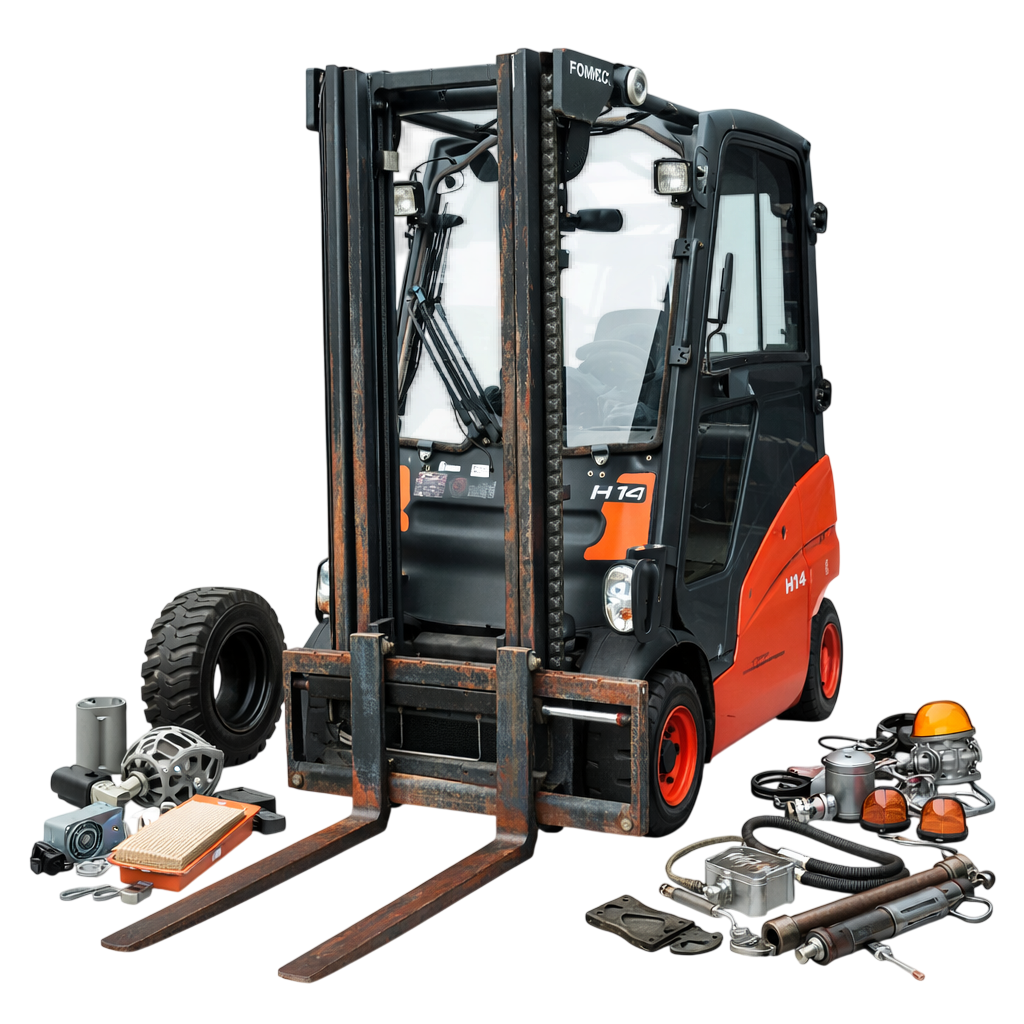
Forklifts and material handling equipment are the heartbeat of your operation. When a single unit goes down, order picking slows, docks back up, and labor time gets burned fast. Fleet management is how you get ahead of that risk by combining proactive maintenance planning, utilization tracking, and cost control into one clear strategy.
U.S. Materials Handling helps operations across Upstate New York manage fleets with service support, planned maintenance programs, and practical recommendations that reduce downtime and extend equipment life.
What Fleet Management Means in a Warehouse and Industrial Environment
Fleet management is not just tracking assets. It is a structured approach to keeping equipment reliable and right-sized for the work. A strong fleet program helps you answer questions like:
-Which trucks are doing the most work and which are underused
What breakdown patterns keep repeating and why
Whether repairs are still cost-effective or replacement is the smarter move
How much downtime is tied to missed maintenance intervals
How operating costs differ by model, power type, and application
When those answers are clear, decisions get easier. You can plan instead of react.
-Which trucks are doing the most work and which are underused
-What breakdown patterns keep repeating and why
-Whether repairs are still cost-effective or replacement is the smarter move
-How much downtime is tied to missed maintenance intervals
-How operating costs differ by model, power type, and application
-When those answers are clear, decisions get easier. You can plan instead of react.
How USMH Helps You Manage and improve Fleet Performance
USMH supports fleets with repair services, planned maintenance, and technical assistance designed to help customers maximize every equipment investment. Service coverage includes many types of material handling systems, from lift trucks to conveyors and dock equipment.
Common support areas include:
Planned maintenance programs to reduce unexpected failures
Road service support to minimize downtime impact
Repair capability across lift trucks, dock equipment, conveyors, doors, and hoists
Parts sourcing to keep service moving quickly
Core Goals of a Strong Fleet Program
Maximize uptime and reduce avoidable downtime
Preventive maintenance and early issue detection reduce emergency repairs and the ripple effect that downtime creates across shifts.
Control operating costs and reduce surprises
Instead of guessing, fleet management tracks what you are actually spending on service, parts, and disruptions, then uses that visibility to guide replacement planning.
Improve safety and accountability
Equipment condition and operator behavior both matter. Fleet management supports safer operation when inspection routines, maintenance schedules, and training work together.
Utilization and Right-Sizing Your Fleet
Most operations have two hidden problems at the same time: some equipment is overloaded and some is underused. Overloaded units wear faster and break more often. Underused units quietly drain budget through ownership costs, space, and maintenance overhead.
A fleet review can focus on:
Utilization by shift and by department
Idle time and unnecessary travel
Bottlenecks where equipment type is not matched to the task
Equipment mix recommendations based on aisle width, lift height, load profile, and dock needs
This is where small changes can create big wins. Swapping a unit assignment, adding the right attachment, or adjusting travel paths can reduce wear and improve throughput.
Cost-Per-Hour and Cost Drivers You Can Actually Control
Fleet cost is rarely just the price of the truck. It is the operating behavior over time.
Service and repair frequency Recurring repairs may indicate a root cause such as application mismatch, missed maintenance intervals, or operator habits.
Parts usage trends Certain parts recurring early can be a signal that conditions are harsh, training is needed, or a different equipment type would perform better.
Downtime impact The cost of downtime includes labor waiting, late shipments, and workflow disruption. Fleet management frames downtime as an operational cost, not just a repair event.
Preventive Maintenance Planning That Fits Your Operation
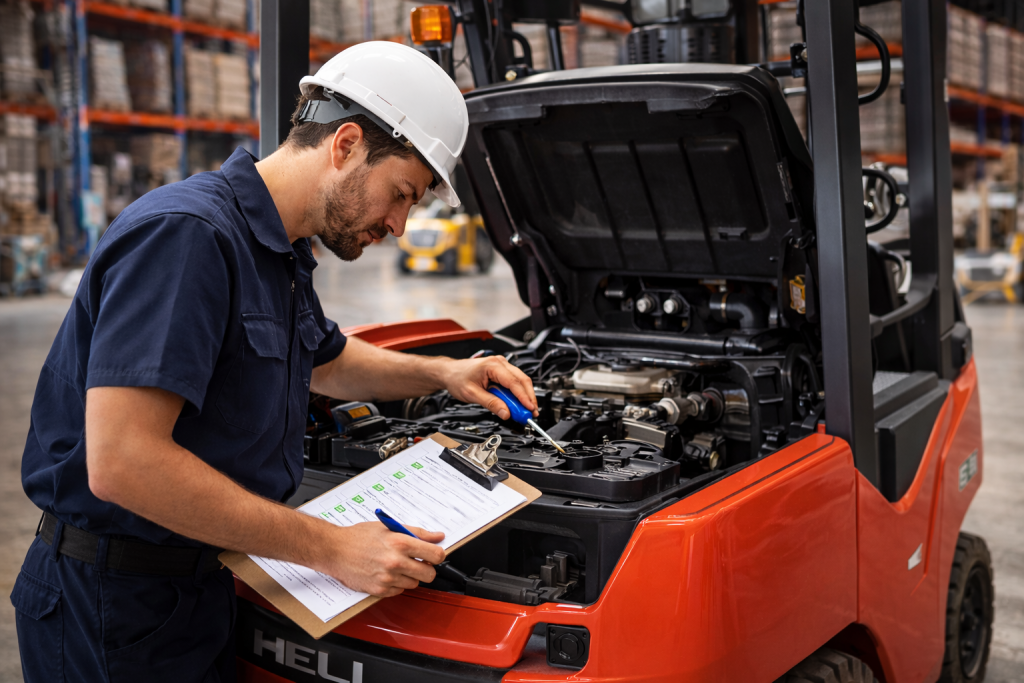
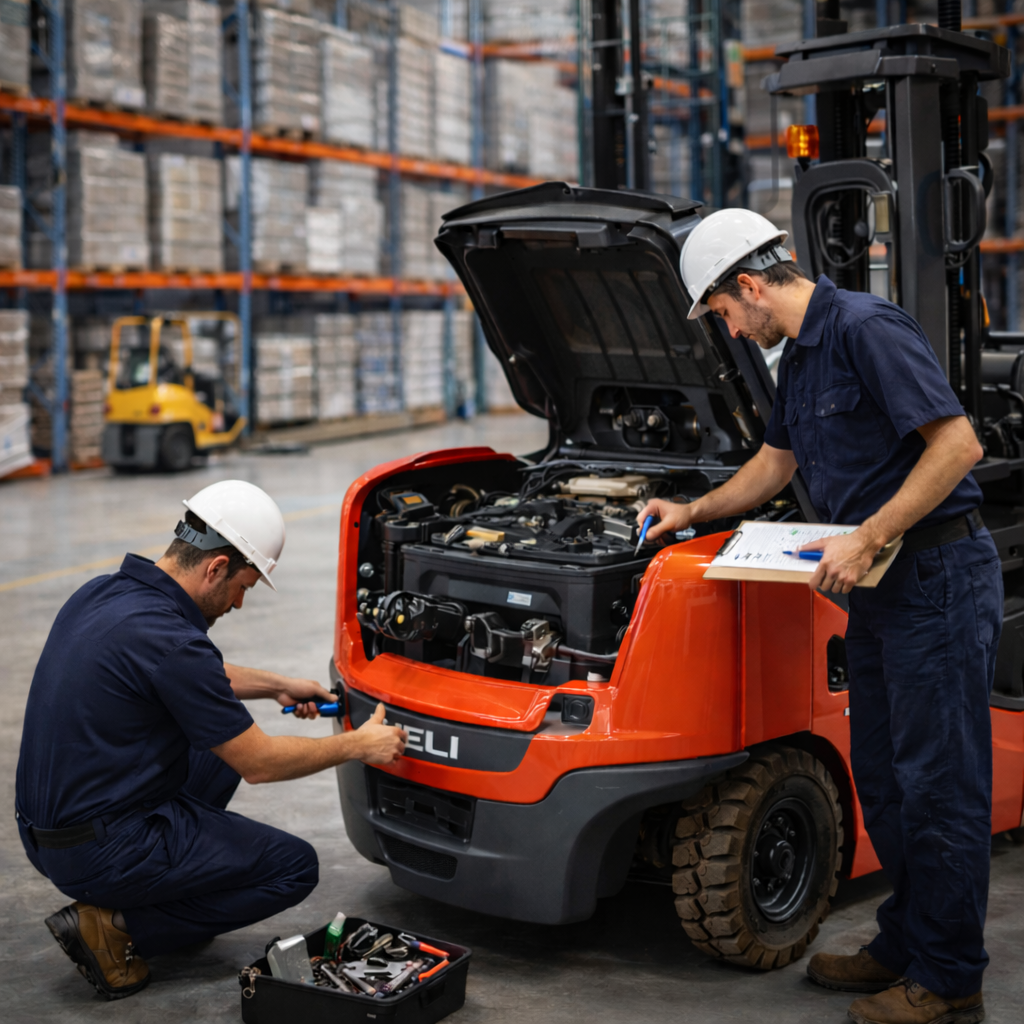
USMH provides planned maintenance programs and service support designed to keep equipment operating reliably. Planned maintenance is one of the most practical levers for extending equipment life and avoiding unexpected failure.
Safety checks such as lights, horns, alarms, and restraints
Brakes, steering, and mast components
Chains, rollers, and wear items
Power system checks for electric and internal combustion equipment
Documentation of findings to support repair planning
Safety checks such as lights, horns, alarms, and restraints
Brakes, steering, and mast components
Chains, rollers, and wear items
Power system checks for electric and internal combustion equipment
Documentation of findings to support repair planning
Optional Telematics for Data-Driven Fleet Decisions
If your operation wants deeper visibility, telematics is a proven path. Many telematics systems can track utilization, impacts, battery health, and performance patterns to support proactive maintenance and replacement planning.
USMH can help you evaluate telematics options commonly available through equipment manufacturers and third-party platforms. Telematics can support:
Hour based utilization reporting
Service alerts based on usage and conditions
Productivity insights tied to equipment activity
Impact event tracking
What You Receive From a Fleet Review
-A fleet review should not end with generic advice. It should produce clear actions, such as:
A prioritized preventive maintenance schedule
Repair versus replace recommendations
Utilization improvements and equipment mix guidance
Cost control opportunities tied to operating behavior
-A practical equipment lifecycle plan
What You Receive From a Fleet Review
–A fleet review should not end with generic advice. It should produce clear actions, such as:
-A prioritized preventive maintenance schedule
-Repair versus replace recommendations
-Utilization improvements and equipment mix guidance
Cost control opportunities tied to operating behavior
-A practical equipment lifecycle plan
Fleet Management FAQ
Do we need telematics to manage our fleet well
No. A strong planned maintenance program and disciplined equipment tracking can deliver major improvements. Telematics adds visibility, but it is optional.
What is a sign we should replace instead of repair
Rising repair frequency, repeated downtime events, and application mismatch are common triggers for replacement planning.
Can fleet management help with safety
Yes. Better inspection routines, maintenance compliance, and training alignment reduce incidents and equipment damage.
Get More Uptime From the Fleet You Already Own
If you want fewer breakdowns, lower operating surprises, and a clearer replacement plan, USMH can help build a practical fleet management approach that fits your operation.