Material handling projects touch workflow, safety, code requirements, and uptime. If a racking or conveyor install goes wrong, the disruption can last weeks. The goal of project management is simple: coordinate the work so your facility stays safe, timelines stay predictable, and the finished system performs the way it should.
USMH states it provides systems engineering and turnkey installations and supports professional installation across major facility systems.41
Material handling projects touch workflow, safety, code requirements, and uptime. If a racking or conveyor install goes wrong, the disruption can last weeks. The goal of project management is simple: coordinate the work so your facility stays safe, timelines stay predictable, and the finished system performs the way it should.
USMH states it provides systems engineering and turnkey installations and supports professional installation across major facility systems.41
USMH offers dock equipment installation designed to meet facility needs with technicians handling the installation process to support seamless operation.
Dock levelers and vehicle restraints
USMH provides installation, routine inspections, and preventive maintenance for dock levelers and restraints to support safer dock operation and reduce downtime.
Conveyor systems installation support and lifecycle service
USMH supports conveyor systems with inspection services, replacement components, and repair programs designed to keep operations moving.
Storage systems including pallet racking, cantilever racks, shelving, and mezzanines
USMH supports layout design and installation for pallet racks and provides mezzanine design and installation services to maximize vertical space.
Safety and guarding for automation zones
USMH provides guarding solutions with turnkey design, delivery, and installation for automated machinery zones.
A Turnkey Approach, What It Looks Like
Step 1: Discovery and requirements
Define goals, throughput needs, safety constraints, and schedule.
Step 2: Site survey and design coordination
Validate measurements, confirm equipment compatibility, and coordinate around existing systems.
Step 3: Installation planning to minimize disruption
Sequence work to reduce downtime, coordinate delivery windows, and plan safe zones.
Step 4: Installation and commissioning
Install systems correctly, verify functionality, and ensure the system supports the intended workflow.
Step 5: Post-install support
Plan inspection schedules and maintenance programs so the system stays reliable.
Step 1: Discovery and requirements
Define goals, throughput needs, safety constraints, and schedule windows.
Step 2: Site survey and design coordination
Validate measurements, confirm equipment compatibility, and coordinate around existing systems.
Step 3: Installation planning to minimize disruption
Sequence work to reduce downtime, coordinate delivery windows, and plan safe zones.
Step 4: Installation and commissioning
Install systems correctly, verify functionality, and ensure the system supports the intended workflow.
Step 5: Post-install support
Plan inspection schedules and maintenance programs so the system stays reliable.
Safety and Compliance During Installation
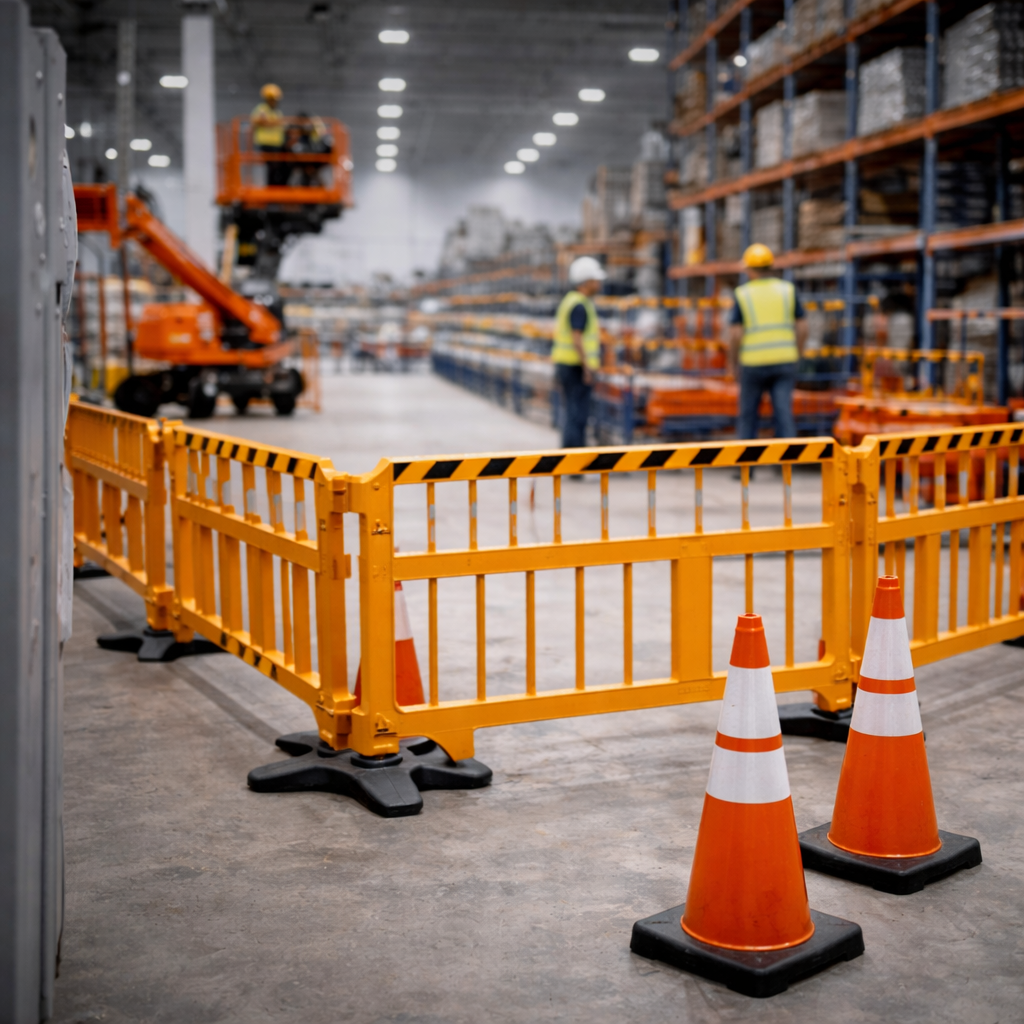
Installations change traffic flow, create temporary hazards, and often occur near active operations. A strong install plan includes clear staging zones, pedestrian control, lockout practices where required, and communication to your supervisors so work stays safe and predictable.
Project Management FAQ
Can installations be phased
Yes. Many projects are staged by area, shift, or system to reduce disruption.
Do you coordinate both equipment and facility systems
USMH supports projects that involve lift trucks, racks, conveyors, dock equipment, and related systems.
Start With a Project Consultation
If you want fewer breakdowns, lower operating surprises, and a clearer replacement plan, USMH can help build a practical fleet management approach that fits your operation.