Automation is not a single product. It is a system strategy. The best automation projects start with workflow clarity, layout readiness, and a plan for service and uptime. USMH positions automation as part of a complete facility strategy, integrating robotics with conveyors, racking, mezzanines, modular offices, and warehouse management systems.
USMH designs solutions that connect robotics with conveyor systems, pallet racking and shelving, mezzanines and modular offices, and warehouse management systems for end-to-end efficiency from receiving to shipping.
Conveyor automation and sortation readiness
Conveyor systems reduce travel time and stabilize throughput. USMH supports conveyor design and ongoing service, including repair programs and replacement components.
Storage systems designed for automation compatibility
Pallet rack selection, flow lanes, and pick modules should align with future automation goals. USMH supports pallet rack layout, installation, maintenance, and highlights pallet flow systems as a strong option for improving order fulfillment efficiency.
Safety and guarding for automated zones
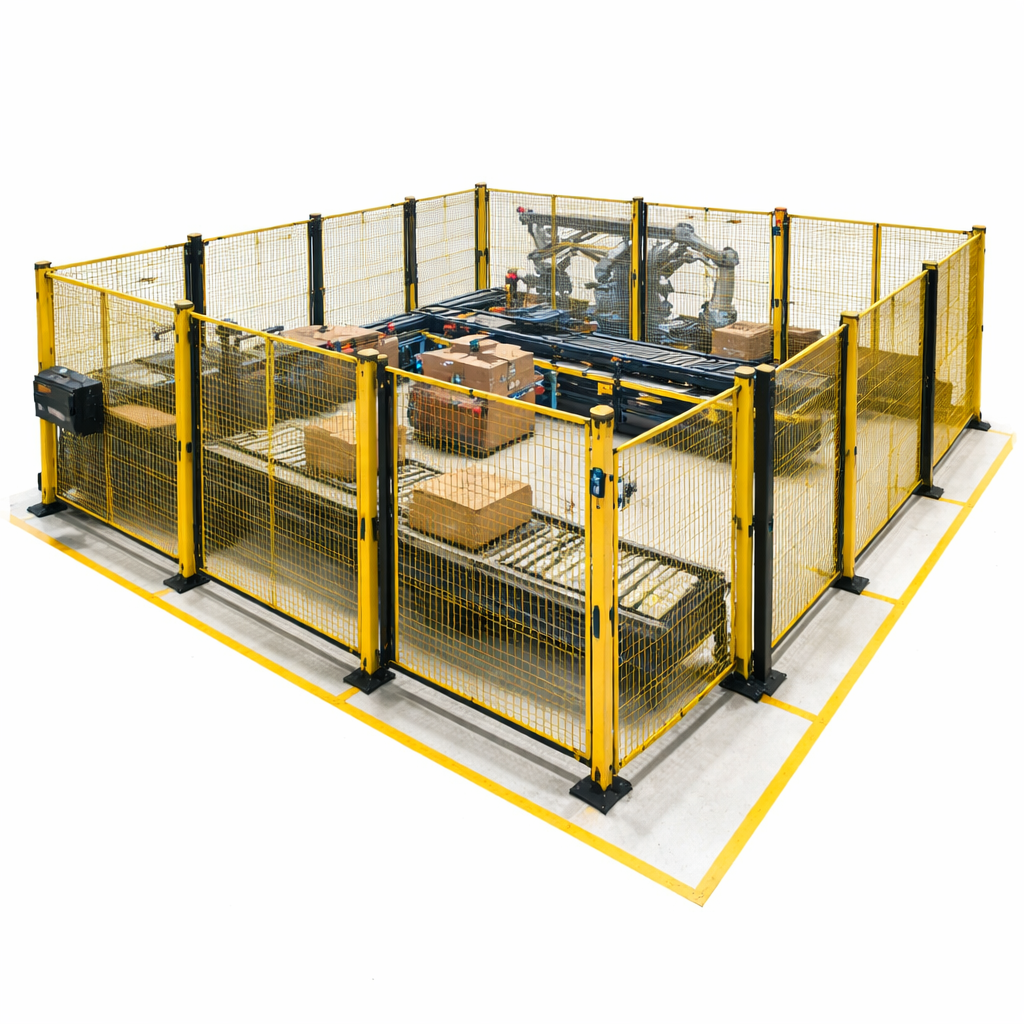
Automation requires safe separation of people and machines. USMH provides guarding solutions with turnkey design, delivery, and installation for robotics and automated equipment areas.
A Phased Approach to Automation
USMH describes a phased approach that starts by assessing existing equipment, ensuring service and parts readiness, and building automation on a solid foundation.
Phase 1: Workflow and data discovery
Map process steps, volumes, peaks, and constraints.
Phase 2: Layout readiness and safety planning
Before automation, you need clear flow lanes, safe pedestrian separation, and staging zones.
Phase 3: Pilot automation in high-payback areas
Start where labor reduction, throughput gain, or error reduction is clearest.
Phase 4: Scale and integrate
Integrate with racking, conveyors, WMS, and safety systems so automation becomes part of one operating system.
Where Telematics Fits
Telematics supports predictive maintenance and performance visibility through live data collection on usage and events. It is commonly used to track forklift utilization, impacts, battery health, and performance patterns.
Telematics can help you:
Spot underused and overused equipment
Reduce downtime by triggering maintenance sooner
Improve accountability through usage visibility
Support replacement planning with real utilization data
Spot underused and overused equipment
Reduce downtime by triggering maintenance sooner
Improve accountability through usage visibility
Support replacement planning with real utilization data
Automation and Telematics FAQ
Do we need robotics to benefit from automation
No. Conveyor systems, storage optimization, and workflow redesign can deliver major benefits without robotics.
Will telematics work with our existing fleet
Often yes, depending on equipment and platform options. A quick evaluation can determine compatibility.
How do we keep automated systems running reliably
Service planning matters. Maintenance support and parts readiness are key to avoiding disruption.
Talk to an Automation Specialist
Whether you want a small pilot or a multi-stage roadmap, USMH can help you design an automation plan that fits your facility strategy, your workflow, and your service reality.